Platypus Font for Web Design and Brand Identity
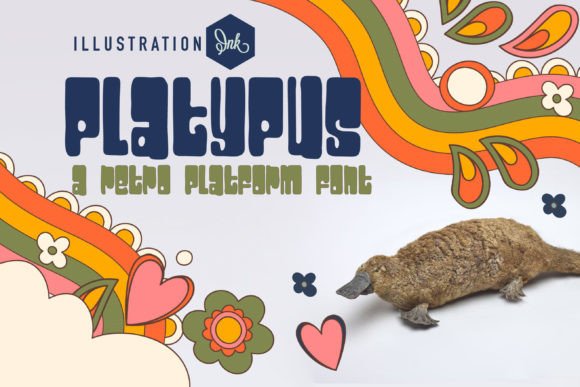
When choosing a display font for web design, it's essential to find something that balances visual appeal with usability. Platypus is a fun and quirky typeface that brings a sense of joy and creativity to digital projects. As a web designer, I've found that this font adds a unique personality to headers, banners, and brand-focused content without sacrificing readability.
Visual Characteristics and Digital Appeal
Platypus has a distinctive character with its playful curves and whimsical shapes. It’s designed to stand out while maintaining legibility on both desktop and mobile screens. This makes it ideal for use in hero sections, call-to-action buttons, and other areas where visual impact matters. The font's style leans towards a modern yet handcrafted feel, which works well for creative portfolios, boutique stores, and digital brands looking to express a unique identity.
The font’s quirkiness can be used strategically. For example, using Platypus for section headings or decorative accents allows the main body text to remain clean and professional. This balance helps maintain a clear visual hierarchy, guiding users through your content effectively.
Applying Platypus in Real-World Scenarios
Platypus shines in environments where a touch of playfulness enhances the user experience. On a creative portfolio site, it can be used for project titles or taglines to add an expressive tone. For a boutique online store, it could work well for promotional banners or product highlights, creating a memorable brand impression.
In a coaching website, Platypus might be used sparingly for headlines or testimonials, reinforcing a friendly and approachable vibe. Similarly, on a product landing page, it can draw attention to key features or calls to action, increasing engagement and conversion rates.
It's also worth considering how Platypus interacts with other fonts. Pairing it with a simple sans serif font like Helvetica or Arial for body copy ensures that the design remains readable while still standing out. This combination is especially effective in editorial designs, blog headers, and digital ads where clarity and visual interest are both important.
Readability and Responsive Design Considerations
While Platypus is visually engaging, it's crucial to ensure it remains readable across different screen sizes. When using it for small buttons or mobile layouts, test its legibility at various font sizes. A good rule of thumb is to keep it reserved for larger text elements such as headers, titles, and short phrases rather than long paragraphs.
On dark backgrounds, consider adjusting the contrast or using a light version of the font if available. This helps maintain visibility without compromising the font's character. For image overlays or banners, using a semi-transparent background can also enhance readability.
Font Licensing and Practical Usage
Before integrating Platypus into client projects or online stores, verify the licensing terms. Ensure that the font is suitable for commercial use and covers all platforms, including webfonts, apps, and digital templates. Many premium fonts offer multiple weights and styles, allowing for more versatility in design.
If you're building a brand kit or digital asset library, Platypus can be a valuable addition. Its unique personality supports consistent branding across websites, social media graphics, and marketing materials. Just be mindful of how often it's used—too much can dilute the message, while too little may not make an impact.
For designers working on landing pages or SaaS sites, Platypus can help differentiate your brand from competitors. Whether it's used for feature titles, pricing sections, or testimonials, it adds a memorable touch that aligns with your brand's tone and values.
Ultimately, Platypus is a versatile display font that can elevate the visual appeal of any digital project. By understanding its strengths and limitations, you can use it effectively to enhance readability, guide user behavior, and reinforce your brand's identity across the web.