Fronbold: A Classy Display Font for Modern Branding
There’s something about opening a fresh brand board and seeing the first few words of a logo concept take shape that feels like magic. I was testing Fronbold on a recent boutique identity project, and it immediately stood out as a font with a quiet confidence. It’s not just another display font—it’s a thoughtful typeface that brings elegance and modernity to any design.
Elegance in Every Curve
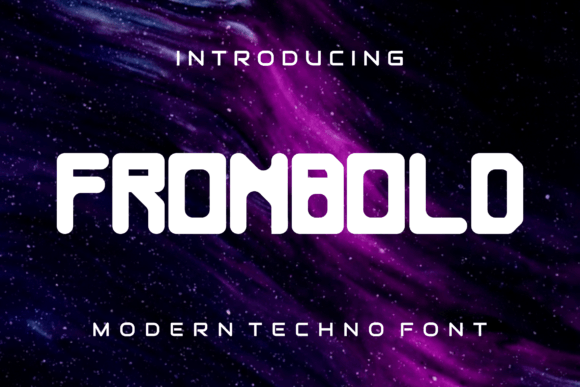
Fronbold has a visual rhythm that’s both refined and approachable. The letterforms are smooth, with subtle curves and balanced proportions that give it a timeless appeal. It leans into the modern without sacrificing class, making it feel fresh yet familiar. This makes it an excellent choice for logos, stationery, or even wedding invitations where a touch of sophistication is needed without being overly ornate.
I tested it on a logo draft for a small handmade soap brand, and the result was clean and memorable. The font didn’t overpower the design but instead elevated the overall look. Its personality is soft enough to feel inviting but strong enough to command attention.
Performance Across Branding Applications
When I placed Fronbold on a packaging mockup, it looked stunning against a minimalist background. It worked well as a headline on product labels, adding a touch of refinement. On a business card, it felt professional and polished, while still having the warmth that makes it feel personal.
On social media layouts, Fronbold performed exceptionally well. Used as a short phrase on Instagram posts or Facebook banners, it added a sense of luxury and attention to detail. For website headers, it provided a bold yet elegant presence that helped establish visual hierarchy without overwhelming the user experience.
However, it’s important to note that Fronbold isn’t ideal for long-form text. When used in body copy, especially at smaller sizes, its decorative nature can reduce readability. It shines best when used as a display or headline font—perfect for logos, taglines, or call-to-action buttons.
Pairing Fronbold with Other Typefaces
Font pairing is an art, and Fronbold offers a lot of flexibility. When paired with a clean sans serif font like Helvetica Neue or Montserrat, it creates a striking contrast that works well for editorial design or branding materials. For a more traditional look, pairing it with a classic serif like Garamond or Baskerville adds depth and balance.
If you’re going for a more modern aesthetic, combining Fronbold with a geometric sans serif like Futura or Avenir gives a sleek, contemporary vibe. It also pairs beautifully with script fonts for signature elements, which can be useful in wedding designs or stationery sets.
Testing Before Committing
As with any font, it’s crucial to test Fronbold in your specific context before finalizing a client project. Try it across different mediums—print, digital, large and small scales—to see how it behaves. Check how it looks on a shop sign, a product label, or a hero section of a website. Small details matter, and Fronbold’s character can change dramatically depending on the surrounding design.
Also, make sure to review the included styles, alternates, ligatures, and swashes if they are available. These features can add a layer of customization that enhances the font’s versatility. If multilingual support is required, double-check whether the font includes characters for your target audience.
Commercial Use and Licensing
Before using Fronbold in any commercial project, always verify the licensing terms. Whether you're designing templates, merchandise, websites, or print-on-demand products, ensuring that you have the right permissions is essential. Many premium fonts require a license for commercial use, so it’s worth checking the provider’s guidelines to avoid any legal issues down the line.
For freelancers and small studios, investing in a font that aligns with your brand’s voice and meets your clients’ needs is a smart move. Fronbold, with its blend of elegance and modernity, could be the perfect fit for a wide range of creative work.